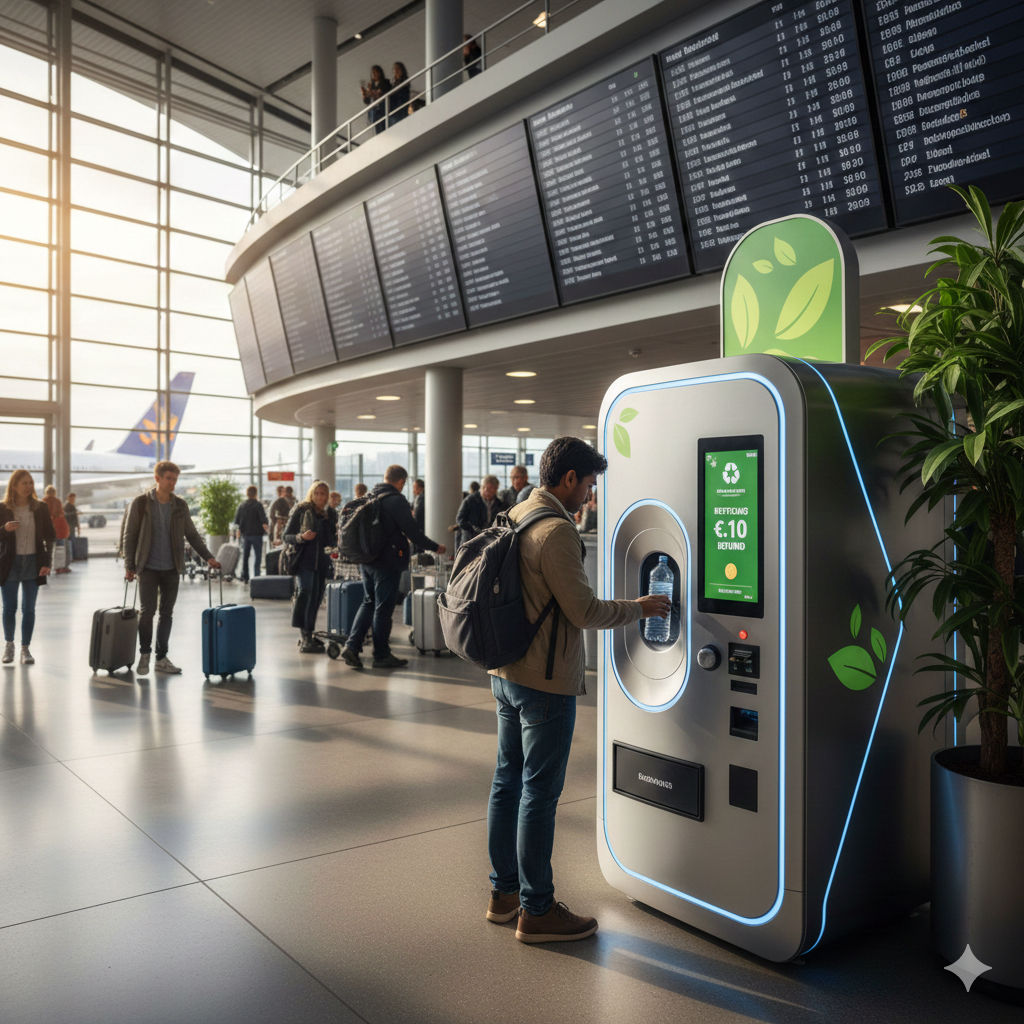
Reverse Vending Machines at Amsterdam Schiphol: Turning Trash into Cash and Sustainability
Picture this: You're rushing through Amsterdam Schiphol Airport (AMS), finishing that last sip of soda before your flight. Instead of tossing the can into a bin, you slide it into a sleek reverse vending machine (RVM), hear a satisfying beep, and get a refund voucher or digital credit. It's not sci-fi—it's everyday reality at one of Europe's busiest hubs, part of the Netherlands' pioneering deposit return scheme (DRS) that's slashing plastic waste and boosting recycling rates.
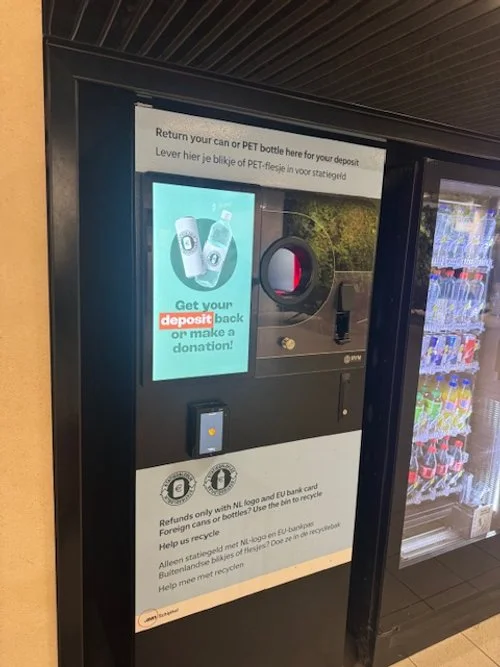
The background traces back to 2006, when the Dutch government launched Statiegeld, a deposit system for large PET bottles (over 1 liter), adding a €0.25 fee refunded upon return. By 2021, it expanded to small bottles (€0.15) and all metal cans up to 3 liters, driven by EU directives and environmental group Verpact, which handles collection, sorting, and recycling. Schiphol, operated by Royal Schiphol Group, integrated RVMs in terminals and lounges by 2022, aligning with their zero-waste goals—aiming for 100% circular operations by 2030. These machines, often from suppliers like Tomra, use sensors to verify containers, crush them for efficient storage, and issue refunds via apps or vouchers redeemable at airport shops.
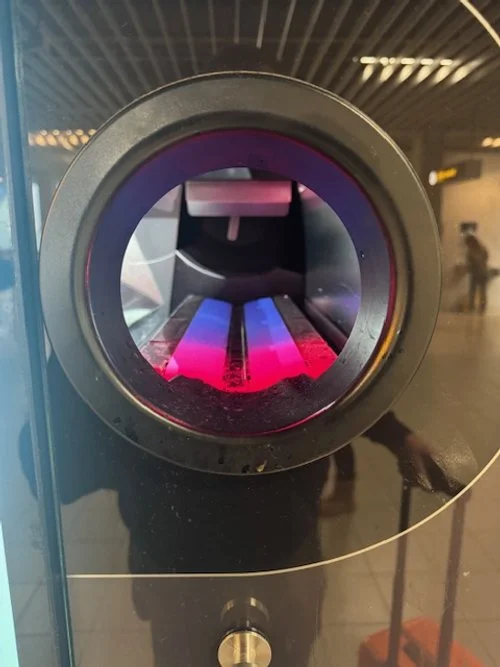
The impact? Nationwide, the DRS has recycled over 90% of eligible containers, diverting millions of tons from landfills annually. At Schiphol, handling 70 million passengers yearly, RVMs have cut single-use plastic waste by 25% in high-traffic areas, per airport sustainability reports. This reduces ocean pollution—Netherlands rivers once carried 1.2 million plastic items yearly—and lowers carbon emissions by reusing materials. Economically, it creates jobs in recycling logistics and saves municipalities on waste management.
User feedback is overwhelmingly positive. Travelers on forums call it "convenient and rewarding," with one Reddit user noting, "Got €0.50 back on two cans—feels like free airport snacks!" Published testimonials from Schiphol staff highlight ease: A baggage handler told The Guardian, "Passengers love the instant reward; it keeps terminals cleaner and motivates recycling." Operations manager Eva de Vries shared in an ACI Europe report: "RVMs engage staff too—we see less overflow in bins, and it's boosted our team's pride in sustainability."
Challenges remain, like educating international visitors, but Schiphol's multilingual apps and signage help. As airports worldwide (like Dublin's recent rollout) follow suit, Schiphol proves RVMs aren't just machines—they're a cultural shift toward circular travel.
If you're flying through AMS, give it a try. Your empty bottle could fund your next coffee—while saving the planet.
Sources (nofollow):