Italy's Waste Separation Culture: From Home Bins to McDonald's—Impact and Evolution
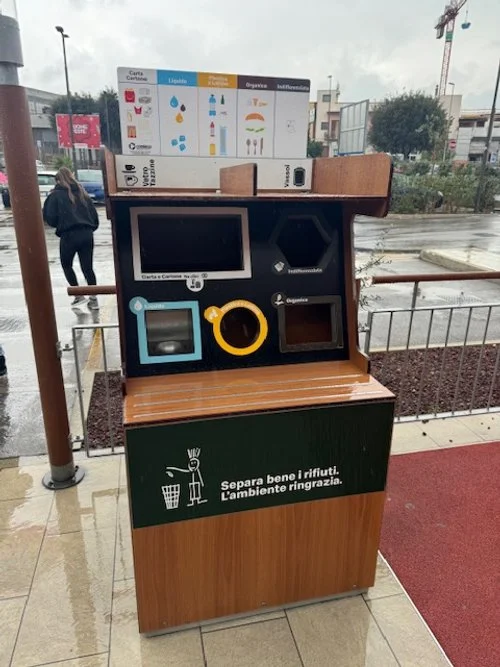
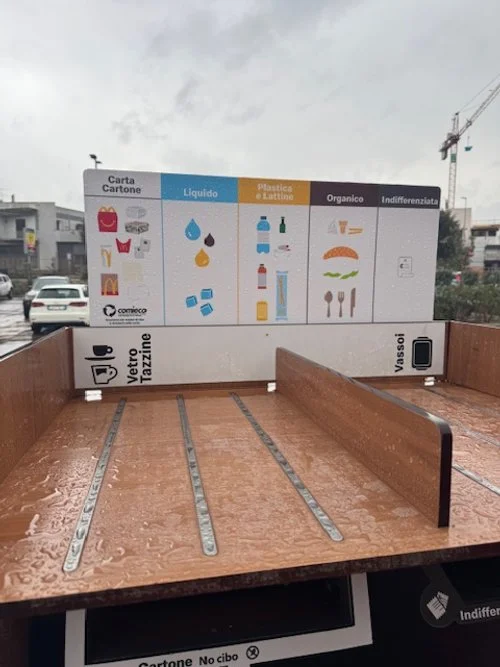
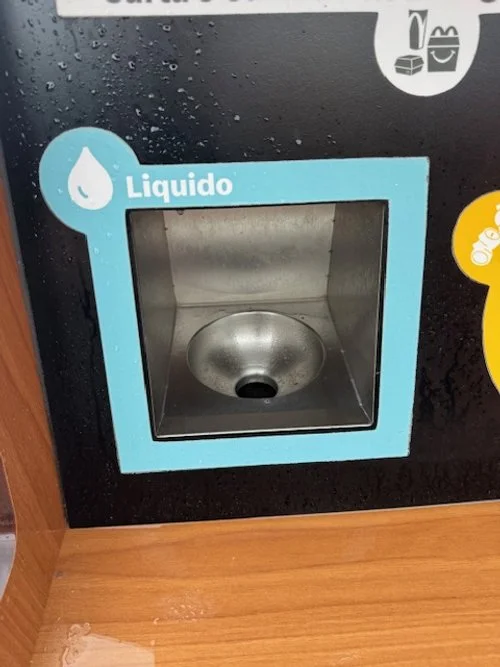
In Italy, sorting trash isn't a chore—it's a lifestyle. Walk into a McDonald's in Rome or Milan, and you'll find dedicated bins with clear instructions: paper here, plastic there, organic waste in the green slot, metal in another. No single bin for everything; instead, color-coded stations guide you, often with staff reminders. This public commitment mirrors Italy's rigorous household system, turning waste management into a communal virtue that's reduced landfills and fostered environmental awareness.
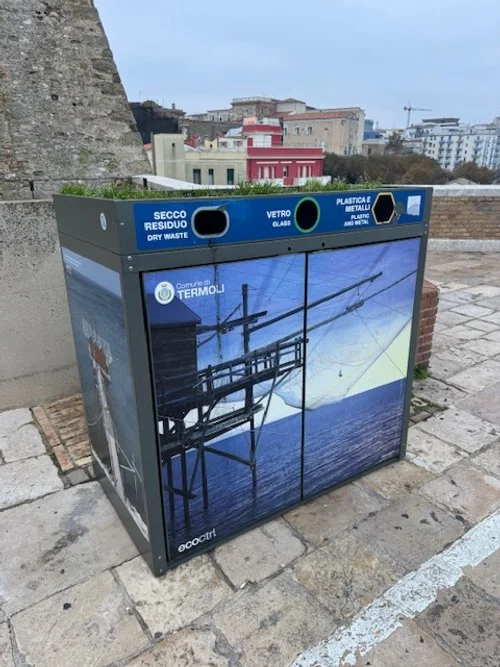
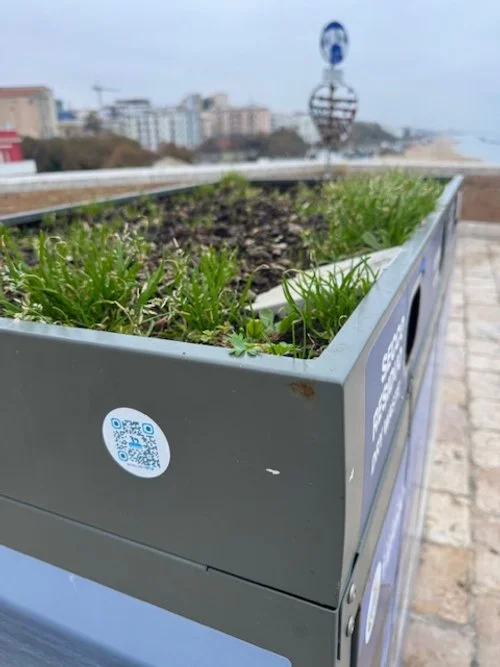
The journey started in 1997 with the Ronchi Decree, a landmark law mandating 35% recycling rates for municipalities amid a waste crisis in regions like Campania. Named after Environment Minister Edo Ronchi, it shifted responsibility to local governments, introducing household sorting for paper, plastic, glass, organics, and unsorted waste. By 2006, laws raised the bar to 65% (effective 2012), ahead of EU standards. Early challenges included mafia infiltration in southern illegal dumping, but northern successes like Milan's door-to-door collection (porta a porta) created a domino effect. Today, Italy boasts a 76.6% national recycling rate, with regions like Veneto at 77.7%.
Public places embraced it fully. McDonald's Italy, partnering with Comieco (paper recycling consortium), installed sorted bins nationwide by 2015, recycling over 80% of paper packaging and 90% of guest items. Instructions are multilingual, and apps reward sorters with points. This extends to streets, parks, and events, where isola ecologica (recycling islands) provide centralized bins.
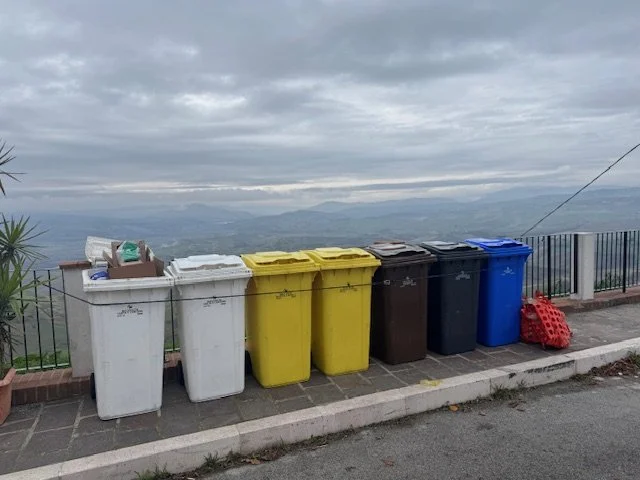
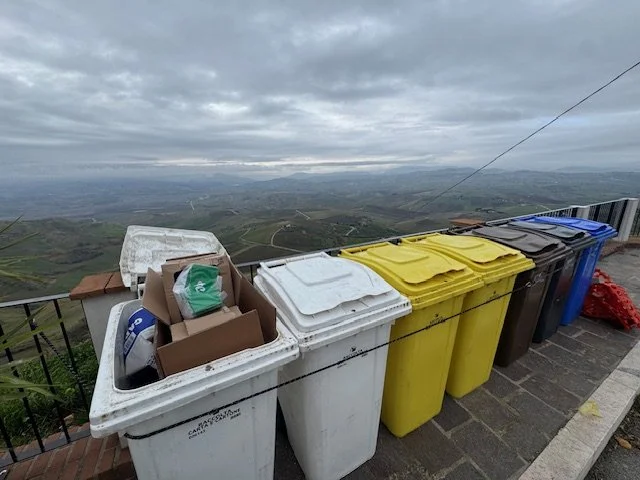
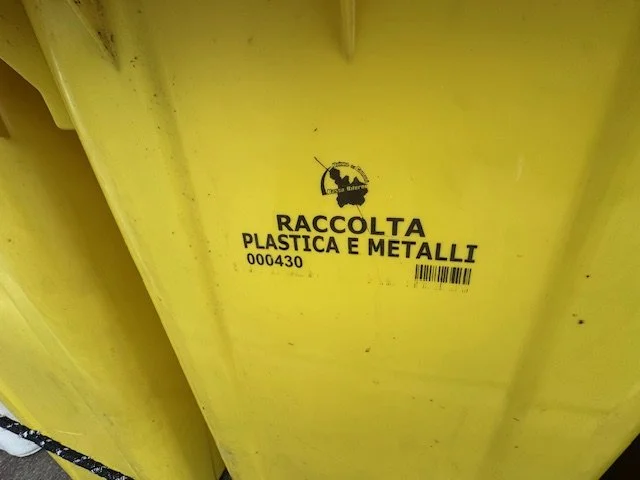
The impact? Environmentally, it's diverted 20 million tons from landfills yearly, cutting methane emissions by 15% and boosting circular economy jobs (over 200,000 in recycling). Locally, communities report cleaner streets and stronger bonds—rural areas adopted fastest due to neighborly accountability, with fines (€50-€500) ensuring compliance. In Sicily, once plagued by crises, rates hit 55% by 2024, improving public health and tourism. Residents like Milan's Anna Rossi say, "It started as a hassle, but now it's habit—my kids sort without thinking." Community impacts include reduced illegal dumping (down 40% in south) and eco-education in schools, fostering pride.
Sources (nofollow):